


If your B2B SaaS website’s churn rate is above 5.2%, it means customers are leaving your website faster than they should. One likely factor could be irrelevant or unengaging content.
As the competition stiffens, you need content that targets the right audience at the right time. This article provides a simple guide on crafting a sound B2B SaaS content strategy.
Not keen on doing the heavy lifting yourself? Our TrioSEO experts can handle your B2B SaaS content. Connect with us for a complimentary SaaS website audit and consultation, including a thorough SEO analysis, keyword suggestions, and a dependable content strategy.
How is B2B SaaS Content Strategy Different?
The difference of B2B SaaS Content marketing lies in its unique approach.
It stems from several factors, including:
- Longer Sales Cycle: B2B sales often involve multiple decision-makers, which lengthens the sales cycle. White papers, blogs, and SaaS-specific online resources are critical for guiding this journey.
- Emphasis on Product and Support: As you’re selling both technology and service, your SaaS content should focus on the technology solutions and the customer support you offer.
- Dependence on Online Research: Since SaaS buyers typically conduct most of their research online, SEO is essential to improve organic rankings and visibility. Our SaaS SEO article writing services can help boost visibility.
Likewise, you need to actively demonstrate credibility through content such as your success stories.
- Product’s Evolving Nature: Since SaaS products evolve more quickly, you must update your content regularly to highlight the latest features and value.
In a nutshell, targeted SaaS-centric strategies can help you attract the right audience and drive conversions.

B2B SaaS Content Marketing Examples
SaaS content writing comprises various types of content for different audience needs.
Common examples include:
Canva
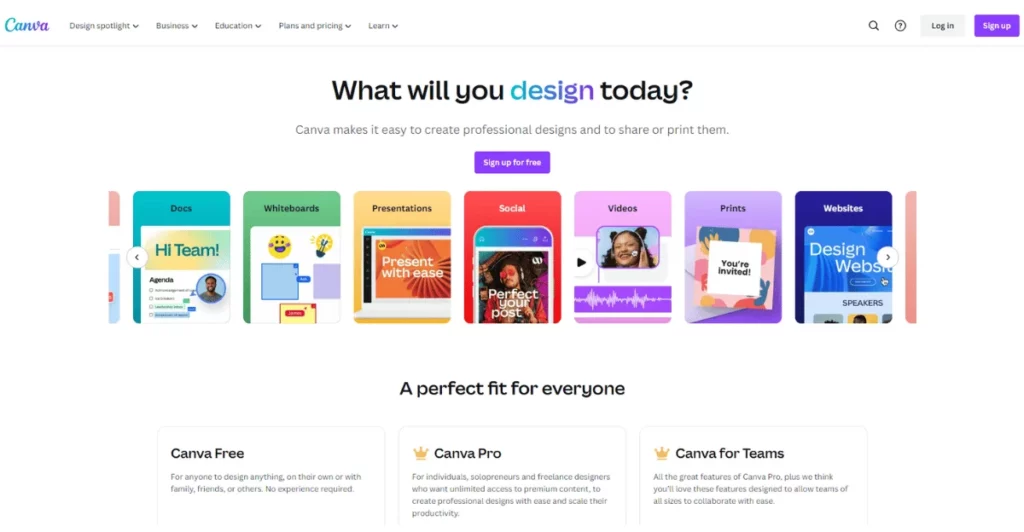
The leading graphic design platform’s content marketing comprises informative blogs, engaging copy, relevant images, and detailed templates to help you easily find the solutions you need.
This strategy drives organic traffic, helps turn leads into subscribers, and keeps Canva ahead by offering products that match your needs.
Grammarly
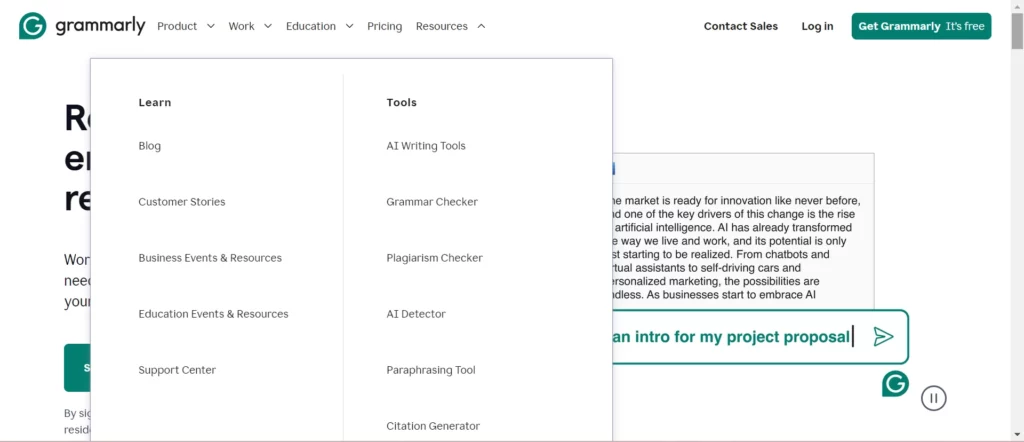
Grammarly organizes its content into clusters. Related pages and extensive blog resources are grouped under similar topics.
This helps you easily find everything you need and supports your writing, improving its conversions and search rankings.
Mailchimp
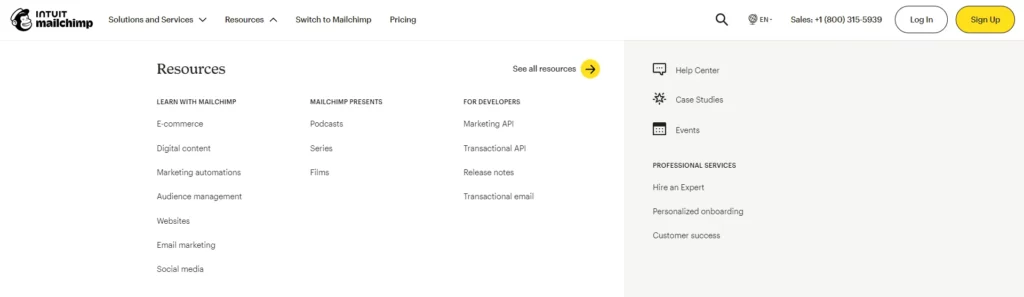
Mailchimp’s SaaS website uses blogs to give practical tips, while their podcasts and films explore unique topics like work well-being and surprising business lessons.
If you want to make your B2B content more engaging, Mailchimp is a great example of SaaS. Discover how they connect with their audiences to build strong loyalty.
Creating and sharing useful content is crucial to your sales and marketing strategy. Once you know your audience and their needs, you can create content that directly speaks to them.
Importance of B2B SaaS Content Strategy
A tailored SaaS content marketing strategy allows you to set the foundation for long-term business growth in the following ways:
- Builds Awareness and Engagement: A solid strategy comprising consistent, engaging content aligns with your messaging, boosts your visibility, and keeps your brand at the top of the minds of your customers.
- Reduces Churn: A robust B2B SaaS content marketing strategy keeps current customers interested, promotes repeat purchases, and boosts conversions.
- Attracts Leads: You can tailor your content to target the right audience at each sales funnel stage and attract targeted leads. For example, success stories make great first impressions.
- Promotes Credibility and Growth: SaaS sales depend heavily on reviews and your website’s credibility. A suitable B2B SaaS content marketing strategy incorporates these reviews and testimonials to build trust and provide valuable information, fueling your growth.
As such, a proven content and SaaS SEO strategy like the one we offer our clients at TrioSEO can help you tackle critical SaaS business needs – building credibility, attracting new customers, and keeping them loyal.
Elements of a SaaS Content Strategy
A great way to plan your content marketing for SaaS is by including these key elements:
- Audience Research: Understand your audience’s needs and preferences to create content that’s relevant.
- SMART Goals: Set specific, measurable, achievable, relevant, and time-bound goals for better results. Using a SaaS content checklist can help you set measurable KPIs, like increasing conversion from free trial to paid users by 25% each month.
- High-quality Content: Ensure your content addresses pain points and adds value.
- Planning and Distribution: Leverage suitable channels — social media, email, blogs — and manage everything with a content calendar.
- SEO Optimization: Optimize your content for search engines to boost visibility.
- Analytics: To refine your strategy, track performance with common SaaS metrics like website traffic and conversion rate.
At TrioSEO, our best practices ensure that elements of your SaaS content strategy cover all these bases. Explore our process and discover how our meticulous approach can elevate your content.

Content Creation for SaaS – Tips and Tricks
Use these tricks to create engaging and informative content for your SaaS product:
- Gain Industry Insights: Participate in customer research, follow industry news, and stay updated on emerging trends – these can help create accurate and relevant content.
- Identify Troublespots: Map your customer’s journey and pinpoint their pain points at each step. Use these insights to tailor your content to their specific needs and improve their experience.
- Create a Content Funnel: Since SaaS purchases involve multiple stages, you must develop content for every stage of the journey, from awareness to conversion.
- Analyze Competitors’ Content: Understand the types of content writing your competitors use, the frequency of updates, and audience engagement levels. Identify gaps in their strategy that you can fill to stand out.
Most importantly, hire a capable team comprising writers, designers, strategists, and SEO experts.
Of course, you can handle content in-house. However, if you want to outsource to a full-service agency, reach out to us for a free 30-minute consultation and find out how your current SaaS website performs.

How to Repurpose SaaS Content Across Formats
Creating content for a B2B SaaS company isn’t just about publishing fresh material always; it’s also about maximizing the lifespan of what you already produced.
Repurposing content is the key to doing more with less. Most SaaS buyers don’t convert on the first touch. In fact, research shows that B2B buyers engage with an average of 10 content pieces before making a purchase.
That means your B2B SaaS content strategy should ensure your best insights reach people across different channels and formats.
Here are a few proven methods you can use to repurpose SaaS content effectively:
- Turn Articles into Social Snippets: Break down long-form B2B SaaS marketing posts into short, punchy tips for Twitter, LinkedIn, or industry Slack communities.
- Transform Webinars into Guides: Record a product-focused webinar and convert it into a downloadable PDF that sales teams can send to prospects.
- Convert Data into Visuals: Any stat-heavy report can be turned into an infographic or carousel post, boosting shareability.
- Repackage Case Studies into Testimonials: Instead of letting case studies sit on one page, extract client quotes and use them in product pages, emails, or PPC ads.
Let’s summarize it with an example.
Imagine you have published a blog post titled “Construction Tools for Equipment Tracking” for project managers. Instead of leaving it at that, you could create a YouTube explainer showing the top three workflows construction teams should adopt, slice key takeaways into LinkedIn posts, and even record a podcast episode interviewing a site manager on real-world adoption.
Repurposing is about building a strategy that makes every asset work harder for your SaaS business.
How to Create a Powerful SaaS Content Marketing Strategy
By now, you’re probably ready to put into practice a solid content marketing strategy for your SaaS business.
So let’s dive into a straightforward 7-step guide to help you create one:
Step 1: Set Clear Goals
Your B2B SaaS content strategy must match your business goals, such as increased conversions.
Once they’re clear, you’ll find it easier to master B2B writing and create content that supports your goals.
Step 2: Know Your Buyers
Create useful content for your audiences by understanding your buyer personas. Identify details like their industry, job roles, and online behavior. Use social media insights to learn about your current followers and find similar potential customers.
If you’re targeting different markets, modify your content according to the specific buyer personas to provide relevant and impactful content.
Step 3: Implement Content Audits
If you have existing content, you must know how to run a content audit.
This will help you spot areas for updates, identify content to be removed, and ensure your site stays fresh and relevant.
Step 4: Focus on Content and Keyword
Next, choose core topics and keywords that match each stage of your customer’s journey.
To simplify the process, use keyword tools to find out what your audience is searching for. If you’re unsure, using SEO keyword research services focused on finding high-intent opportunities can be a great help.
Step 5: Optimize, Publish, and Promote
Give your SaaS content marketing a boost by proactively using SEO best practices, such as long-tail keywords, mastering meta descriptions, internal linking, and including clear CTAs.
You’ll also need to decide where and how often you publish and which social media and third-party sites you’ll use. Marketing automation tools help you streamline these tasks.
Step 6: Establish Workflows
Now, you can set timelines for everything from brainstorming to publishing. Document each step and use a project management tool to keep everyone on track.
Mix up content types, stay flexible, and focus on what your audience needs.
Step 7: Analyze Outcomes
Track your campaign using key metrics like traffic and lead generation. Review them regularly to identify hits and misses and make adjustments as needed. Spotlight your top content and implement tweaks to enhance results.
If overseeing B2B SaaS content overwhelms you, tailoring your content processes using this guide, from discovery audit to writing briefs, can make a big difference.
Tips to Overcome Common SaaS Content Challenges
Content marketing for SaaS companies is rarely smooth sailing. Between niche topics, complex buyer journeys, and long sales cycles, even experienced content managers face challenges.
The good news? With a few actionable tactics, you can turn these challenges into growth opportunities. Let’s take a look:
1. Explain Technical Concepts Without Overwhelming Readers
SaaS tools in industries such as cybersecurity or telecommunications often employ jargon-heavy messaging that can deter non-technical decision-makers.
A practical fix is to pair deep-dive blogs with visual explainers, real-life examples, or customer use cases. A great example is an article by Tablein, which explains the benefits of automated SMS for restaurant booking using examples and conversational language.
2. Scale Production While Keeping Quality Intact
It’s tempting to churn out more blog posts and whitepapers, but quantity without relevance is a dead end. A smarter approach is to invest in content marketing models like the ‘hub-spoke framework,’ where one in-depth guide anchors a series of shorter supporting posts.
Not only does this structure boost SEO, but it also prevents your team from reinventing the wheel every week. TrioSEO was able to increase its organic traffic by 600% following this strategy, along with a few others..
3. Streamline Content Distribution
Distribution is another stumbling block. Research shows that 65% of B2B content goes unused because it never reaches the right audience.
The solution lies in building a SaaS content strategy that integrates promotion from the start. For example:
- Repurpose whitepapers into LinkedIn posts.
- Break down webinars into bite-sized clips.
- Get link insertions in relevant publications.
- Enable your sales team to share content directly with leads.
Without this, even the best SaaS content ends up gathering dust.

Tools and Services for B2B SaaS Content Strategy
If you’re undecided about which B2B SaaS content services and tools to use, we suggest the following:
- TrioSEO: With 10+ years of experience, we give your business an edge with compelling blogs and lead generation through keyword research and B2B SaaS SEO.
If you prefer to write yourself, you can opt for cost-effective, detailed outlines. Reach out to our team for a free consultation to identify opportunities and outline next steps.
- Google Analytics: Helps you track your website’s performance using key metrics like top pages, average time spent, and bounce rate. Also, when linked with Google Search Console, you can get keyword research and traffic analysis.
- Ahrefs: You can use Ahrefs’ Content Explorer tool to find content ideas. Its SEO features allow you to audit your site, analyze competitors, track rankings, and research keywords.
While these are our top picks, you could also run your checks and select an option that works best for you.

Right Metrics to Measure SaaS Content ROI
Measuring the ROI of your SaaS content is about connecting the dots between content spend and tangible revenue. So what are the metrics to measure?
- Customer Acquisition Cost (CAC): It’s the total cost of acquiring a new customer. For SaaS content, this includes the amount spent on content creation, promotion, and distribution, divided by the number of customers gained from that campaign. Rob Walling, a successful startup founder, regards this as the top KPI as well.
- Conversion Rate: It shows how effectively your content moves prospects down the funnel, whether that’s turning a blog reader into a trial user or a webinar attendee into a paying customer.
- LTV:CAC Ratio: It compares a customer’s Lifetime Value (LTV) with the cost of acquiring them. In SaaS, LTV is the projected revenue a customer generates during their subscription period. A ratio of 3:1 or higher is considered healthy.
- Lead Velocity Rate (LVR): It’s the month-over-month growth of qualified leads. Unlike static conversion metrics, it shows the momentum of your content marketing models.
- Marketing Qualified Leads (MQLs): These are prospects who show initial interest, such as downloading a marketing guide.
- Sales Qualified Leads (SQLs): These are the leads vetted by the sales team as high-interest and ready for outreach.

Frequently Asked Questions (FAQs)
Read through for answers to some common questions about B2B SaaS content.
Is B2B SaaS Content Writing Different?
Yes, there’s a difference. While general content writing covers a broad range, B2b SaaS content writing focuses on solving specific software problems.
That’s why you have to craft content that simplifies complex tech info for your audience.
What is SaaS Content Marketing?
SaaS content marketing is a specialized strategy for leveraging useful content to showcase the value of your subscription software services.
Instead of quick sales, in SaaS, you focus on building relationships and brand awareness, retaining users, and boosting recurring revenue.
You can use blogs, emails, social media, and more to achieve this objective.
Which Platform is Best for SaaS Content Production?
Content plays a key role in the growth of SaaS businesses, and platforms like WordPress, Ghost, Webflow, and Medium are top choices for SaaS content production.
How Do You Scale SaaS Content Without Losing Quality?
Scaling SaaS content without sacrificing quality means building a documented content strategy, using proven models like a hub-spoke model, and standardizing workflows.
In addition, you should leverage subject-matter experts and use repurposing tactics.
This way, the volume increases, but accuracy, consistency, and audience value remain in check.
What is the Best Way to Align SaaS Content with Sales?
The best way to align B2B SaaS content with sales is by mapping assets to the buyer journey (awareness, consideration, and decision). For example, create top-of-funnel blog posts for awareness, case studies for consideration, and comparison pages for the decision stage.
Additionally, have regular syncs between the marketing and sales teams, so you can address real objections, nurture MQLs (Marketing Qualified Leads), and produce more SQLs (Sales Qualified Leads).
How Often Should SaaS Content Be Updated?
You should ideally update your SaaS content every 3-6 months for competitive topics and at least once a year for evergreen pieces.
This keeps information accurate, matches industry changes, and helps maintain visibility. Sticking to this frequency increases your chances of staying ahead of the competition on fast-changing topics, while keeping evergreen assets relevant in the long term.
We recommend tying the update schedule to the content goals and performance. For example, if the content goal is not being achieved in that quarter, the relevant content pieces can be updated before the schedule.
Conclusion
As the SaaS products market overlaps increasingly, a strong content strategy for SaaS is the key to winning customers.
If DIY content feels like juggling too many tasks, why not let TrioSEO help you rank your SaaS website at the top? Get a one-time free audit and personalized strategy session from our team to gain the edge you need to stand out.